

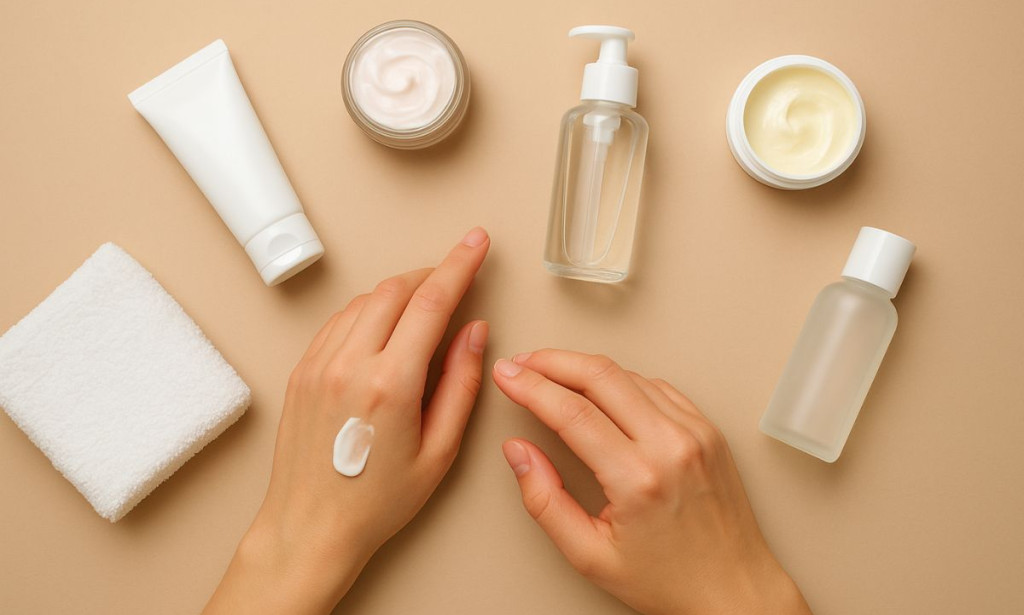

Every journey to healthier, glowing skin starts with the right plan. Skin is the body’s largest organ and serves as a protective barrier against environmental stressors. A well-designed skincare regimen protects your skin day and night and addresses common issues like acne, dryness, and early signs of aging. Many dermatologists estimate that up to 80% of visible skin aging is caused by UV damage and other external factors meaning a daily routine can truly make a difference.
Following a regimen that involves cleansing, treating concerns, hydrating, and applying sunscreen, you ensure your skin gets the care it needs. Dermatologists note that a consistent morning routine focuses on protection and hydration, while a nighttime routine focuses on repair and renewal. This guide will break down each step so you know exactly what to do and why it works.
For example, washing your face daily prevents bacteria buildup, and helps keep pores clear. A mild cleanser is usually enough to remove dirt and excess oil without stripping moisture. Adopting a daily plan also avoids the trap of jumping between random products; consistency is more effective than sporadic fixes.
Why a Skincare Routine Matters:
A consistent routine acts like a health regimen for your skin. Following the right steps can gradually improve texture, reduce breakouts, and give you an even tone. Washing your face morning and night removes excess oil, dirt, and pollutants, making other treatments more effective. When you start each day with a clean, hydrated canvas and end with a gentle wash and rich moisturizers, your skin stays resilient.
For example, 62% of Americans report using anti-aging products daily, but only 11% wear sunscreen daily. Because of this, many address wrinkles but skip UV protection, which undermines their efforts. Cleveland Clinic experts note you only need a “simple process and products” that keep your skin “clean, moisturized and protected from the sun”.
Maintaining these healthy habits over time is key. Over time, you will notice blemishes fading, hydration improving, and skin looking more radiant. The American Academy of Dermatology (AAD) advises habits like washing your face in the morning, before bed, and after sweating, and using gentle cleansers. In summary, treating your skin with basic daily care is one of the most effective ways to keep it looking its best.
Morning Skincare Routine Steps
A solid morning routine sets the tone for the day. Ideally, start by rinsing or cleansing your face to remove any overnight sweat or oil. Step 1: Cleanser. Start with a gentle cleanser suited for your skin type. Avoid harsh bar soaps designed for the body, which can strip your face of moisture. Use a quarter-size amount and create a light lather. Gently massage with your fingertips in a circular motion; then rinse and pat dry. Cleanse with your fingertips; avoid very hot water or rough scrubbing, which can irritate and disrupt your skin barrier.
Step 2: Optional Toner. After cleansing, you may apply a toner if desired. To use toner, apply it with a cotton pad, sweeping it across your face and neck. Choose an alcohol-free formula with soothing or hydrating ingredients like glycerin or rosewater. This helps remove any final traces of cleanser and balances the skin’s pH. Toner is especially helpful for oily or acne-prone skin or if you didn’t thoroughly remove makeup the night before. It’s not mandatory for all skin types – if your skin feels comfortable without it, you can skip this step.
Step 3: Antioxidant Serum or Cream. Apply a vitamin-rich serum or cream while your skin is still slightly damp. Vitamin C is a powerful antioxidant that “protects your skin from free radicals” and boosts collagen. Other beneficial ingredients include vitamin E, niacinamide (B3), and botanical antioxidants. Wait a minute or two after applying serum to let it absorb fully, and if using multiple treatments, apply thinner (watery) serums first and thicker creams next. These products help brighten skin and guard against environmental damage throughout the day.
Step 4: Moisturizer. Even oily skin needs hydration. Choose a lightweight, non-comedogenic moisturizer if you’re oily, or a richer cream if you’re dry. Many day creams contain humectants like hyaluronic acid, which holds moisture in place and can “reverse aging” by plumping the skin. If you wear makeup, let the moisturizer settle for a minute before applying foundation or powder for a smooth base. If your moisturizer includes SPF, that’s a bonus, but it’s still important to apply a dedicated sunscreen next.
Step 5: Sunscreen. This is arguably the most critical morning step. Apply a broad-spectrum sunscreen with at least SPF 30. Dermatologists describe sunscreen as a “fountain of youth” because daily SPF use slows skin aging and prevents cancer. Even on cloudy days or indoors near windows, UV rays can penetrate and cause damage. Apply about a nickel-sized dollop and rub it in evenly. Don’t forget commonly missed spots like your ears and hairline. For sensitive skin, physical sunscreens (zinc/titanium) can be gentler, while chemical sunscreens may feel lighter on oily skin. Reapply every two hours if you’re spending extended time outdoors. Remember, skipping SPF is a common mistake. Even a short walk or drive without protection can contribute to long-term damage.
A woman gently applying face cream to her skin as part of her morning skincare routine. Moisturizing is a critical step: it locks in hydration and helps protect the skin barrier. Dr. Samantha Karlin notes that “moisturizing your skin and using a broad-spectrum sunscreen with SPF 30 or higher are positive steps toward better skin care habits”. By hydrating in the morning, you set your skin up to face the day with a healthy, dewy glow.
Evening Skincare Routine Steps:
Your nighttime routine should focus on cleansing away the day’s buildup and repairing skin. If you wore makeup or sunscreen, begin with Step 1: Makeup Removal or Pre-Cleanse. Use a micellar water, oil-based cleanser, or gentle wipes to dissolve products. These break down makeup, sunscreen, and pollutants.
For stubborn, waterproof makeup, a cleansing balm or oil is effective; apply it with your fingers and massage gently. This ensures heavy products don’t clog pores. Once you’ve broken down the makeup, gently wipe or rinse it away before moving on.
Step 2: Cleanser. Now wash with your gentle cleanser again. If you used heavy makeup or have very oily skin, consider an oil-based cleanser first, then follow with your regular cleanser for a double cleanse. This two-step process ensures pores are clear of oil and debris. Always rinse thoroughly and pat your face dry with a clean towel.
Step 3: Toner (Optional). Similar to the morning, you can apply an alcohol-free toner after cleansing if your skin feels tight or needed extra balancing. A hydrating toner with ingredients like aloe vera or glycerin can soothe skin. If you skipped toner entirely, an alternative is to use a hydrating essence or serum. This step is optional, especially for dry or sensitive skin.
Step 4: Treatment or Serum. Night is prime time for active ingredients. Apply your targeted treatments (retinol, prescription serums, or exfoliating acids) now. For example, a vitamin A (retinol or adapalene) cream helps rebuild collagen and renew skin cells overnight. After applying any treatment, wait a minute to let it absorb. If using retinol or chemical exfoliants, start by applying them only 2–3 times a week, then increase as your skin tolerates. Avoid mixing too many strong actives at once to prevent irritation. Always apply products from thinnest to thickest consistency.
Step 5: Night Cream or Moisturizer. Use a richer moisturizer or night cream to lock in hydration. Look for ingredients like ceramides, peptides, and antioxidants, which help repair the skin barrier while you sleep. If you applied a drying treatment (like retinol), apply an extra layer of moisturizer or a soothing facial oil on top. On very dry nights, you can use an overnight mask or thicker balm as your final step for maximum hydration.
Weekly and Occasional Care
In addition to daily steps, incorporate some extra care weekly or as needed:
-
Exfoliation: Use a gentle exfoliant (like an AHA or BHA product) 1–2 times a week. For example, a glycolic or salicylic acid exfoliant can remove dead skin cells and unclog pores. Follow product instructions carefully; start with once a week and increase only if your skin tolerates it. Over-exfoliating can cause redness or sensitivity, so balance it with hydration.
-
Face Masks: Once or twice a week, apply a face mask suited to your skin type. For example, a clay or charcoal mask can deep-clean oily skin, while a hydrating gel or sheet mask can soothe dry skin. Apply for the recommended time (usually 10–20 minutes), then rinse off. Avoid masks with harsh fragrances or ingredients if your skin is sensitive. Always follow up with moisturizer afterwards to lock in benefits.
-
Targeted Treatments: Use spot treatments and specialty products on occasion. For instance, apply a benzoyl peroxide or salicylic acid spot gel to individual pimples at night. You might also use an eye cream or lip balm daily as part of your routine to treat specific concerns (fine lines or chapped lips). On special nights, consider face oils or overnight hydrating masks for very dry skin.
-
Neck and Body: Extend your routine beyond the face. Gently sweep any leftover cleanser and moisturizer down your neck and chest daily. Use a regular body lotion on your arms and legs after showering to keep skin hydrated. These areas also show signs of aging and sun damage, so don’t neglect them. Always apply sunscreen to your chest and hands as well, since they’re often exposed.
-
Hygiene and Tools: Keep everything clean. Wash pillowcases, hats, and face towels at least weekly to remove oils and bacteria. If you use brushes or sponges for makeup or masks, clean them regularly. When showering, use lukewarm water and avoid leaving conditioner or shampoo on your face. Clean tools and linens prevent transferring grime back onto your skin and help your routine be more effective.
Common Skincare Mistakes to Avoid
Even a great routine can fail if you fall into bad habits. Avoid these pitfalls:
-
Skipping Sunscreen: This is one of the worst mistakes. UV light from the sun ages skin and causes dark spots year-round. Always finish your morning routine with SPF. Make sure to reapply during the day if you’re outdoors for long. Even a short walk or a drive can expose you to UV rays.
-
Over-Cleansing or Scrubbing: Washing your face too often or scrubbing hard can strip away healthy oils and irritate the skin. Use only gentle pressure with a mild cleanser. Avoid abrasive products or tools on your face. Remember, the goal is a clean canvas, not raw skin.
-
Sleeping in Makeup: Makeup, sunscreen, and sweat left on the skin overnight can clog pores and lead to breakouts. Always remove makeup and cleanse before bed to let your skin breathe and regenerate.
-
Using Too Many Products: Introducing too many new products at once can overwhelm your skin. Layering multiple actives (like retinol, vitamin C, and acids) without care may cause redness or peeling. Instead, add new products one at a time and give each at least a week to work.
-
Neglecting Skin Type: Using products not meant for your skin can make problems worse. For example, heavy creams on oily skin can trigger acne, while harsh astringents on dry skin can cause flaking. Always choose formulas tailored to your skin’s needs. Look for labels like “for sensitive skin” or “non-comedogenic” if you have specific concerns.
-
Ignoring Overall Health: Your skin reflects your overall wellness. Factors like hydration, sleep, diet, and stress have a big impact. Eat a balanced diet rich in antioxidants, drink plenty of water, and aim for 7–9 hours of sleep. Managing stress (through exercise or relaxation) also helps; people often call it “beauty sleep” because it’s when your body repairs itself.
Remember: consistency beats complexity. Even with a simple routine that keeps your skin clean, moisturized, and protected daily, you will see better skin over time.
Personalizing Your Skincare and Staying Consistent
Every person’s skin is different. Use the steps above as a foundation and tweak for your needs. If you have very sensitive skin, choose fragrance-free formulas and test new products behind your ear before using them on your face. If you have oily or acne-prone skin, you may prefer gel-based products and focus on pore-clearing ingredients like salicylic acid. For dry skin, richer creams and facial oils can add extra moisture. Introduce only one new product at a time, and give it at least a week or two to see how your skin reacts.
For acne-prone skin, consider adding a salicylic acid cleanser or spot treatment to help unclog pores over time. For mature or aging skin, incorporate ingredients like gentle retinol (at night) and antioxidants (like vitamin C or peptides) to support collagen and reduce lines. If your skin is reactive or sensitive, avoid potential irritants (such as fragrances and alcohol) and look for soothing ingredients like aloe or oats. Men should use a soothing aftershave or balm to reduce irritation from shaving. Teenagers may prefer lighter gels or lotions and should be patient, as youthful skin often experiences natural oil fluctuations.
Consistency is key: dermatologists emphasize that the best routine is the one you can do every day. Even on busy or lazy days, prioritize the basics: cleanse, moisturize, and protect. Over time, these steps will build up results and keep your skin barrier strong. For acne, consider targeted cleansers or treatments with benzoyl peroxide if needed, and avoid picking at blemishes (to prevent scars). If severe issues persist, consult a dermatologist for personalized advice. Give each product about 4–6 weeks to show improvement, as skin renewal takes time.
Even if your schedule is tight, try to do at least the essentials: wash and moisturize morning and night, and apply SPF each morning. Doing a little consistently will improve your skin more than doing a lot only occasionally. Ultimately, consistently doing all the steps for a skincare routine is what yields the best results.
Close-up of hands applying a vitamin C serum with a dropper during a skincare routine. Including a serum like vitamin C is an effective treatment step. Vitamin C serums protect skin from free radicals and help boost collagen for firmer skin. Applying targeted treatments in your routine can address concerns like dark spots or fine lines, enhancing results over time.
Conclusion
Mastering a daily skincare regimen boils down to simplicity and consistency. Follow these steps for a skincare routine morning and night and you empower your skin to stay healthy and glowing. Cleansing, treating concerns, moisturizing, and protecting are the cornerstones of clear, resilient skin. This means keeping your routine simple enough to follow consistently, yet comprehensive enough to cover all bases.
Even a minimal regimen of cleanse-hydrate-protect each day can significantly improve skin health over time. With patience and regular care, you’ll see your skin become clearer, brighter, and more balanced. Stay curious and attentive to your skin’s needs, and remember that consistency is more important than perfection.
Now that you know the steps for a skincare routine, start simple and stick with it. Share this guide with friends who want better skin, and let us know your own tips or questions in the comments. For more detailed skincare advice and guides, check out our full library of articles at Viewspress.com. Here’s to healthy, happy skin – on the inside and out!
Frequently Asked Questions
What are the steps for a skincare routine?
A basic skincare routine includes four key steps: cleanse, treat, moisturize, and protect. In the morning, wash your face, apply any antioxidant serum (like vitamin C), moisturize, and finish with sunscreen. In the evening, remove makeup (if worn), wash again, apply targeted treatments (such as retinol or hydrating serums), and end with a richer moisturizer. Keeping this routine daily helps your skin look and feel its best.
How do I create a simple skincare routine at home?
Start with the essentials: a gentle cleanser, a moisturizer, and sunscreen. For example, a simple at-home routine could be: morning wash, apply vitamin C serum, moisturize, then sunscreen; night remove makeup, wash, apply retinol (or other treatment), then moisturize. These steps for a skincare routine at home can be done with minimal products. Focus on consistency: even basic steps done daily are more effective than a complex routine done irregularly.
What products do I need for a proper skincare routine?
At minimum, you need: a gentle cleanser for daily washing, a moisturizer to hydrate your skin, and a broad-spectrum SPF 30+ sunscreen. Additional helpful products include an antioxidant serum (like vitamin C) in the morning and a night cream or retinoid at night. Choose formulas suited for your skin type (oily, dry, combination, or sensitive). Focus on proven ingredients (ceramides, hyaluronic acid, niacinamide, SPF) rather than brand names or marketing claims.
How often should I exfoliate and use special treatments?
For most skin types, exfoliating 1–2 times a week is enough. Use a mild chemical exfoliant (AHA or BHA) or a gentle scrub. Applying masks or peels can also be done weekly. Be careful not to overdo it – too much exfoliation can irritate and damage the skin barrier. If you use active treatments like retinol or glycolic acid, start slowly (maybe twice a week) and gradually increase frequency as your skin tolerates. Always listen to your skin: if irritation or redness appears, reduce the frequency or stop.
Do I have to perform all skincare steps every day?
Ideally, yes at least the basic ones. It’s best to cleanse, moisturize, and apply sunscreen every day. However, some steps (like exfoliation or face masks) are done less often. Even on lazy days, aim for at least a quick cleanse and moisturizer. Remember, consistency over time is what improves your skin. These steps for a skincare routine are meant to be easy to follow daily even a simple wash and lotion each morning and night will help your skin.
How long will it take to see results from a new skincare routine?
Skin cell turnover happens about every 28 days, so you typically need about 4–6 weeks of consistent use to notice improvements. Some people see changes in brightness and texture within a few weeks, but give products time to work. If after 6–8 weeks you notice no improvement (or irritation), consider adjusting your routine or consulting a dermatologist.
Are natural or organic skincare products always better?
Not necessarily. Natural or organic labels don’t guarantee a product is better or non-irritating. In fact, some natural ingredients (like certain essential oils or citrus extracts) can cause allergic reactions. As the Cleveland Clinic points out, expensive or “natural” products are not automatically safer or more effective. Focus instead on effective, science-backed ingredients for your skin concerns.
What should I do if a new product causes irritation?
If a product causes burning, redness, or itching, stop using it immediately. Gently cleanse the area and apply a simple moisturizer to calm the skin. Consider trying a patch test next time: apply a small amount on your inner forearm for a couple of days before using it on your face. If irritation persists or worsens, consult a dermatologist. Sometimes starting with a lower concentration or using a product less frequently can help your skin adjust.
What if I have very limited time for skincare?
Even a simplified routine can make a difference. On busy days, focus on the essentials: use a gentle cleanser and moisturizer in the morning and evening, and never skip sunscreen. You can skip extra steps like toner or masks if you’re short on time. Over weeks, even this minimal routine will improve your skin more than doing nothing. Consistency matters more than volume of products.
Can I simplify my skincare routine if I’m busy?
Yes focus on the basics. On rushed days, cleanse and moisturize your face morning and night, and always apply SPF in the daytime. Skipping makeup removal or sunscreen even once can set you back. But if time is tight, just make sure at least those key steps happen. Remember: even a quick routine done daily is better than no routine at all.

You must be logged in to post a comment.